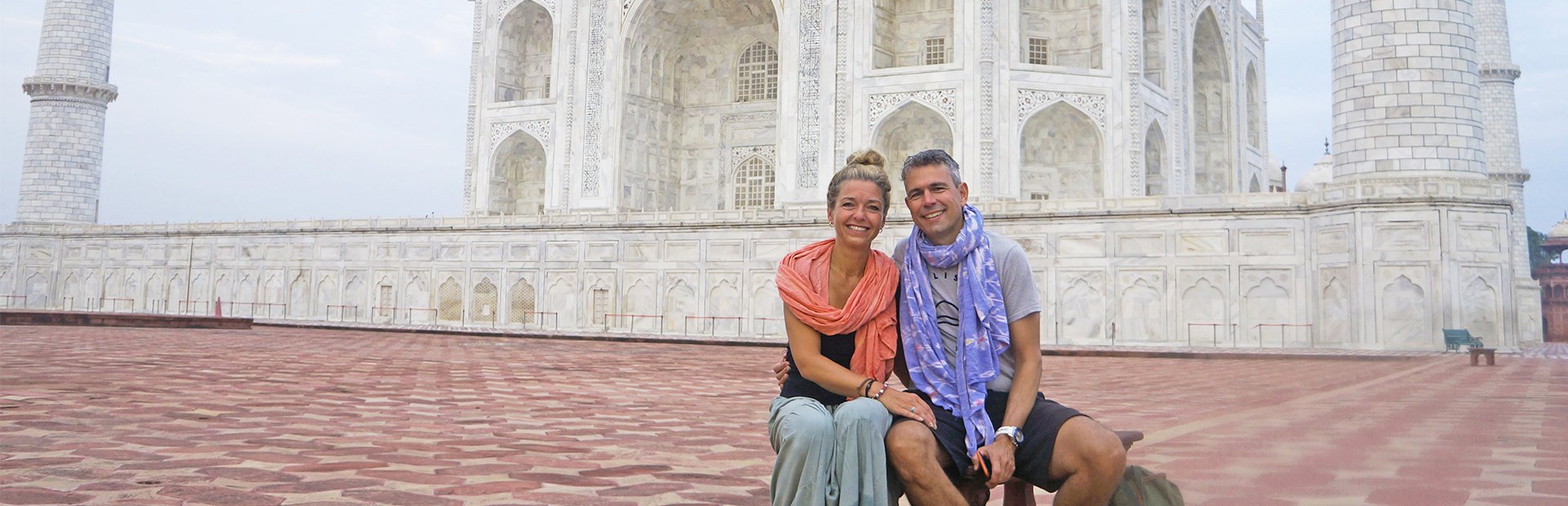
What to wear on your holiday in India
Blog


Dressing for India is easier than you might think. Loose, light clothes that cover your shoulders and knees will see you through almost everywhere, from the bazaars of Jaipur to the backwaters of Kerala.
India is a big country with very different climates, and much of it is more traditional than the UK. A little thought before you pack means you'll stay comfortable in the heat, feel at ease in temples and villages, and blend in a bit more wherever you go. Our India specialists have pulled together everything they've learned on their own travels, so you can pack with confidence.
The golden rules
- Cover up. Much of India is fairly conservative, so it's best to keep your shoulders, upper arms and knees covered. Longer shorts are usually fine in cities and tourist areas, but loose trousers or a long skirt will feel more comfortable in villages and at religious sites.
- Keep it loose. Loose clothes keep you cooler than tight ones and help you feel more relaxed in busy places. Floaty trousers, long tunics and maxi dresses are all perfect.
- Choose natural fabrics. Cotton and linen breathe in the heat and dry quickly after a hand wash. Synthetic fabrics can feel sticky in the humidity of the south.
- Bring layers. Even in the warmest months, air-conditioned trains and cars can feel chilly. In winter, northern mornings and desert nights can be properly cold, so a fleece or warm jumper is worth packing.
- Pack a scarf. A light scarf or pashmina is the most useful thing you can bring. It covers your shoulders or head at a temple, shades you from the sun and keeps you warm on an early morning safari.
Visiting temples and holy sites
Temples, mosques and gurdwaras are some of the most memorable places you'll visit in India, and a few simple habits will help you feel welcome.
- Shoes off. You'll take your shoes off before entering almost every religious site, and often some homes too. Sandals or shoes you can slip on and off easily make this much simpler. Stone and marble floors can get very hot in the midday sun, so a pair of socks in your bag can help where they're allowed.
- Cover shoulders and legs. Everyone, men and women, should cover their shoulders and wear trousers or a skirt below the knee.
- Cover your head where asked. At Sikh gurdwaras, such as the Golden Temple in Amritsar, everyone covers their head. Your scarf works perfectly, and headscarves are usually available at the entrance too. Some mosques ask women to cover their heads as well.
- Leave leather behind. Some Jain temples don't allow leather inside, including belts, bags and watch straps, so it's worth checking before you go.
- If you're not sure, your guide will always let you know what's expected. Following local customs is a lovely way to show respect, and people really appreciate the effort.
What to wear by region and season
What you pack depends a lot on where you're heading and when. For the full picture month by month, take a look at our guide to the best time to visit India.
Tips for women and for men
For women
Loose trousers, maxi skirts and long tunics are comfortable, cool and fit in almost everywhere. Tops that cover your shoulders and aren't low cut will help you feel more at ease, especially in smaller towns and villages.
Many women love wearing a kurta, the long tunic worn across India, over leggings or loose trousers. A scarf draped across your shoulders is useful too, just as you'll see local women wearing a dupatta.
For men
Light trousers and short-sleeved shirts or t-shirts are perfect for most days. Shorts are fine in cities and resorts, but you'll need long trousers for temples, and they'll be more comfortable in rural areas. It's best to leave sleeveless vests for the beach.
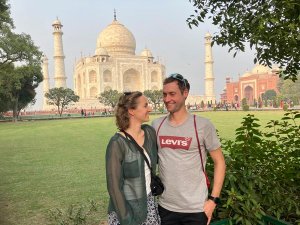
Shoes, safaris, beaches and evenings
- Shoes. Comfortable walking shoes are a must for forts, markets and cities. Add a pair of sandals you can slip on and off easily for temples, and something waterproof if you're travelling in the monsoon.
- Safaris. On a jeep safari in parks like Ranthambore, wear neutral colours such as khaki, green or beige. Winter mornings in an open jeep can be surprisingly cold, so bring a warm jacket, a hat and gloves, and peel off the layers as the sun comes up. A scarf is handy for the dust.
- Beaches. Swimwear is fine on the beaches of Goa and Kerala and at hotel pools. Pop a cover-up or sarong on when you head back into town or into a café.
- Evenings. Dress codes in India are relaxed, even in smart hotels. A nice shirt or a dress, or a kurta picked up along the way, is plenty for dinner. Long sleeves in the evening also help keep mosquitoes away.
Quick packing checklist
- Loose cotton or linen trousers, skirts or dresses that cover the knee
- Light tops and shirts that cover the shoulders
- A light scarf or pashmina
- A fleece or warm jumper (essential from November to February in the north)
- A warm jacket, hat and gloves for the Himalayas or winter safaris
- Comfortable walking shoes
- Sandals that slip on and off easily
- Socks for hot temple floors
- Swimwear and a sarong or cover-up for the beach
- A sun hat and sunglasses
- A light rain jacket or umbrella in the monsoon months
- Something neutral-coloured for safaris
Looking for more inspiration? Read more travel blogs

View our Itineraries and bite-sized trips