Things to do in Egypt


Between its iconic ancient sites, the deserts, coast, cities and life-giving Nile, there’s plenty to tempt you to book a holiday in Egypt. From art galleries in Cairo to walking in the footsteps of the pharaohs, riding camels amid the sands and learning about Nubian culture, the pyramids might be the country’s most famous attraction, but that’s really only the beginning as our pick of the best things to do in Egypt goes to show.

The pyramids
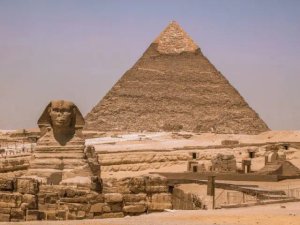
The three towering pyramids at Giza are instantly familiar, recognisable from a thousand images but no less awe-inspiring once you finally find yourself standing in front of them. The last surviving Wonder of the Ancient World, more than 4,500 years have passed since being constructed for three pharaohs of the Old Kingdom, Khufu (or Cheops) and his son and grandson. It’s not just the sight of these towering constructions and the nearby Sphinx that’s fascinating, but also the question of how they managed to transport millions of blocks of stone to build them and why, along with the chance to learn some stories about the pharaohs themselves. For an added fee, you can even head inside the Great Pyramid of Cheops to see the burial chamber carved out of granite.
These aren’t the only pyramids to discover in Egypt though, with two much quieter but no less fascinating sites. Saqqara is the largest archaeological site in Egypt, with a new pyramid recently unearthed here and many more thought to lie beneath the sand. A burial site for wealthy Egyptians and sacred animals, it’s best known for the Step Pyramid – built in the 27th century BCE, it’s the earliest colossal stone building in Egypt. And there are yet more pyramids at royal necropolis Dahshur, including the Bent Pyramid, which got its name thanks to a change in the angle of the slope part-way up. Dating from 2600BCE, it’s thought to be the result of a recalculation as builders experimented with ways to make pyramids more stable.
The Grand Egyptian Museum (GEM)
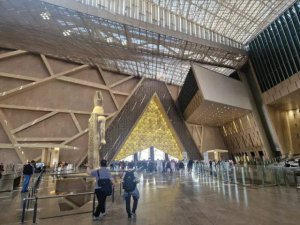
The largest archaeological museum in the world, the long-awaited Grand Egyptian Museum finally opened in November 2025 and it’s a highlight of any visit to Egypt. Just over a mile from the pyramids at Giza, the huge collection traces ancient Egyptian history from prehistory through the time of the pharaohs and on to the Greco-Roman period.
One of the highlights is the Tutankhamun Galleries, housing 5,000 of the boy pharaoh’s treasures, such as the famous gold burial mask, but you’ll find 12 other major galleries and some colossal statues. The Khufu’s Boats Museum is on the same site, containing the two oldest wooden boats in the world. Covering 92,000 square metres, the museum uses immersive technology alongside cleverly designed displays to help you learn about life, death and belief across the millennia. As the icing on the cake, there are some great views back to the pyramids from the terrace.
Cairo
It’s easy to think of Cairo simply as a handy base to visit the pyramids and new Grand Egyptian Museum, but there’s far more to enjoy in the country’s capital, whether you’re looking for history or contemporary culture. The 12th century Citadel was the seat of government in Egypt for almost 700 years, now home to several museums, the Al-Gawhara Palace and a string of mosques, including the Mohammed Ali Mosque.
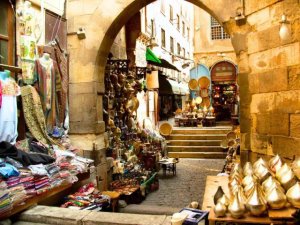
Or discover everyday life as you wander through the streets of the Islamic quarter, before getting another glimpse of the past at the Khan el-Khalili bazaar, a 14th century souk that has was the centre of trade for hundreds of years, with stalls selling everything from spices and silverware to papyrus and perfume.
There’s chance to explore another side of life in Egypt in Coptic Cairo too. Inhabited since the 6th century BCE, it’s the oldest part of the city and still home to ancient Christian artworks, as well as historic churches such as the Hanging Church, suspended above the ground after being built over a Roman fortress.
Or the elegant Zamalek district sits on an island in the Nile that’s home to boutiques and galleries, plus the Cairo Tower which rises 187m high above the city. The area is also home to the Museum of Islamic Art, one of the world’s finest collections which features ceramics, calligraphy, textiles and more, and the Museum of Modern Egyptian Art, close to the Cairo Opera House, with displays of modernist art and Egyptian artists.
Alexandria
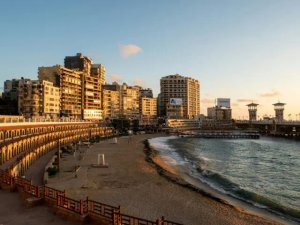
Nicknamed the City of Memories, Alexandria was founded by Alexander the Great and developed a reputation for cosmopolitan culture and learning, home to the most famous library of antiquity and the lighthouse of Alexandria, another Wonder of the Ancient World. Today, you’ll still find horse-drawn carriages weaving between the cars on the seafront boulevards, and it’s tempting to spend much of your time here café-hopping or strolling by the Mediterranean.
But there are also plenty of sights to add to your wishlist, including the Catacombs of Kom ash-Shuqqafa, the largest known Roman burial site in Egypt, the Roman amphitheatre at Kom al-Dik and the 21st century Bibliotheca Alexandrina. This UNESCO World Heritage Site contains six libraries housing millions of books inside its striking modern exterior, along with three museums, a planetarium, four art galleries and more.
The Valley of the Kings
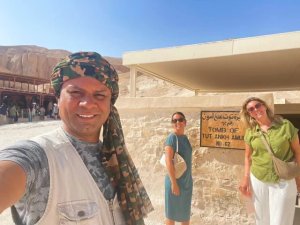
Not only a paradise for archaeologists, the Valley of the Kings was where countless Egyptian pharaohs were buried between the 16th and 11th centuries BCE, including the famous tomb of Tutankhamun, discovered by Howard Carter just over a century ago. With secret passages and chambers cut in the rock deep in the mountains, more than 60 have been unearthed so far, most of which were looted long ago, although their colourful hieroglyphs have survived the millennia. Around a dozen are open to visit, including Tutankhamun’s and that of Ramses IV, Ramses VI with its astronomical ceiling, and the richly decorated tomb of Seti I. It’s also easy to combine with the nearby temple of Hatshepsut.
Luxor
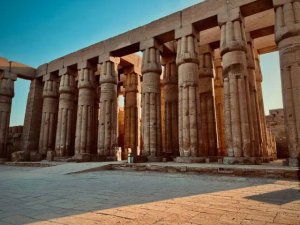
The ancient capital of Thebes, Luxor is the heart of ancient Egyptian civilisation and one of the best places to understand the power and prestige of the pharaohs. In the city itself, the magnificent 3,400-year-old Luxor Temple was a vital location for the annual festival of kingship, with 14 towering columns in the Colonnade of Amenhotep III and colossal statues of Ramses II next to depictions of scenes from the Battle of Kadesh, which the pharaoh claimed as a great victory. But you can also see murals of everyday life in the Tombs of the Nobles, where high-ranking priests were buried, the Temple of Karnak – the largest in Egypt – and the avenue of the Sphinxes, linking Karnak and Luxor temples.
The Nile temples
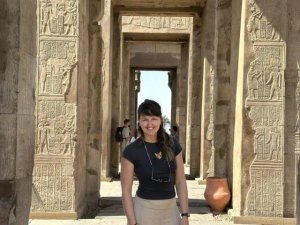
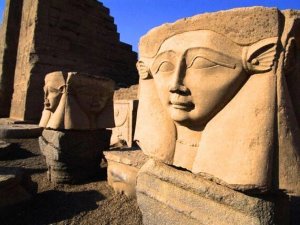
As you cruise along the banks of the Nile between Aswan and Cairo, you can discover some of Egypt’s most fascinating temples. At Edfu, the temple of Edfu is perhaps the best-preserved in the country, with its detailed carvings and hieroglyphs paying tribute to the falcon-headed god Horus, while the unusual double temple of Kom Ombo was dedicated both to Horus and crocodile god Sobek, with a collection of mummified crocodiles in the little museum. Just north of Luxor in the sacred city of Abydos, Osiris, the god of the afterlife, was worshipped, and the temple of Seti I houses the King List, naming the country’s pharaohs. Not far away, the Dendera temple complex includes the Temple of Hathor, the goddess of love, with its well-preserved columns and roof.
.webp?w=300&q=85&auto=format)
Aswan
Discover a different side to Egypt in Aswan, over 550 miles south of Cairo, where you can learn more about the culture and traditions of the Nubian population here, and how it influences everything from architecture to food. The Nubian Museum is a great starting point, sharing history and art, while you can also visit the Tombs of the Nobles which date back around 4,000 years, with six decorated tombs open to the public. Save time to explore the islands in the Nile too, one of the loveliest parts of the river, with colourful houses on Elephantine Island and a botanical garden on Kitchener Island. One of the highlights is a visit to the Philae Temple, dedicated to the goddess Isis, moved from its original island location to another after the creation of the Aswan Dam. It’s easy to plan a visit to this modern marvel, damming the Nile too, or head out into the desert by camel to the Monastery of Saint Simeon.
Abu Simbel
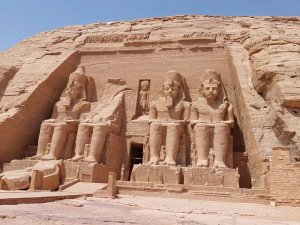
Flanked by four colossal statues of Ramses II, the temple of Abu Simbel is astonishingly imposing in a country packed with impressive sites. Carved out of the mountainside in the mid-13th century BCE, it was designed to impress the local Nubian population and show off the pharaoh’s power. Lost under the shifting sands until being rediscovered in the 19th century, the temple was later taken apart piece by piece to avoid being flooded by Lake Nasser after the creation of the Aswan Dam, before being relocated and rebuilt – a feat of engineering as impressive as the original construction. While it’s a seven-hour round trip from Aswan, this remarkable temple is well worth the journey.
El Minya
Further off the tourist route than other popular stops by the Nile, El Minya is home to two impressive archaeological sites. Tell el-Amarna, once known as the City of the Sun, was built by ‘heretic pharaoh’ Akhenaten and his wife Nefertiti more than 3,000 years ago, and it’s one of the best-preserved archaeological excavations in Egypt. The Temples of Nefertiti are a highlight, but this vast royal city was once home to palaces, tombs and temples galore, in honour of the sun god Aten. Not far away, the 39 tombs of Beni Hasan are tucked away in the rocky cliffs, where you can look inside four to see the paintings adorning the stone walls, including some showing traders to Egypt, while another appears to depict games.
Sail down the Nile
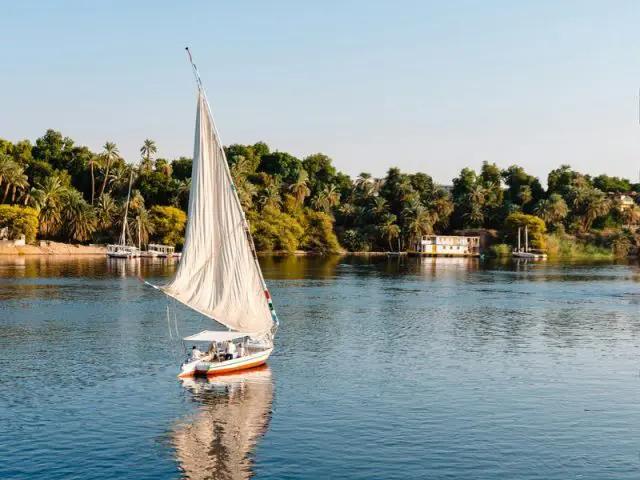
There’s no better way to travel through Egypt than by sailing down the Nile, looking out to timeless landscapes, ancient temples and snapshots of everyday life. The heart of Egypt for millennia, you’ll be rocked to sleep by its waters, discover a new part of the country every day, and watch the sun set over the river. Whether you choose to relax on a traditional felucca boat, sail on a larger dahabiya, or opt for a bit more modern luxury on a river cruise ships, it’s an unforgettable experience.

Sleep in the desert
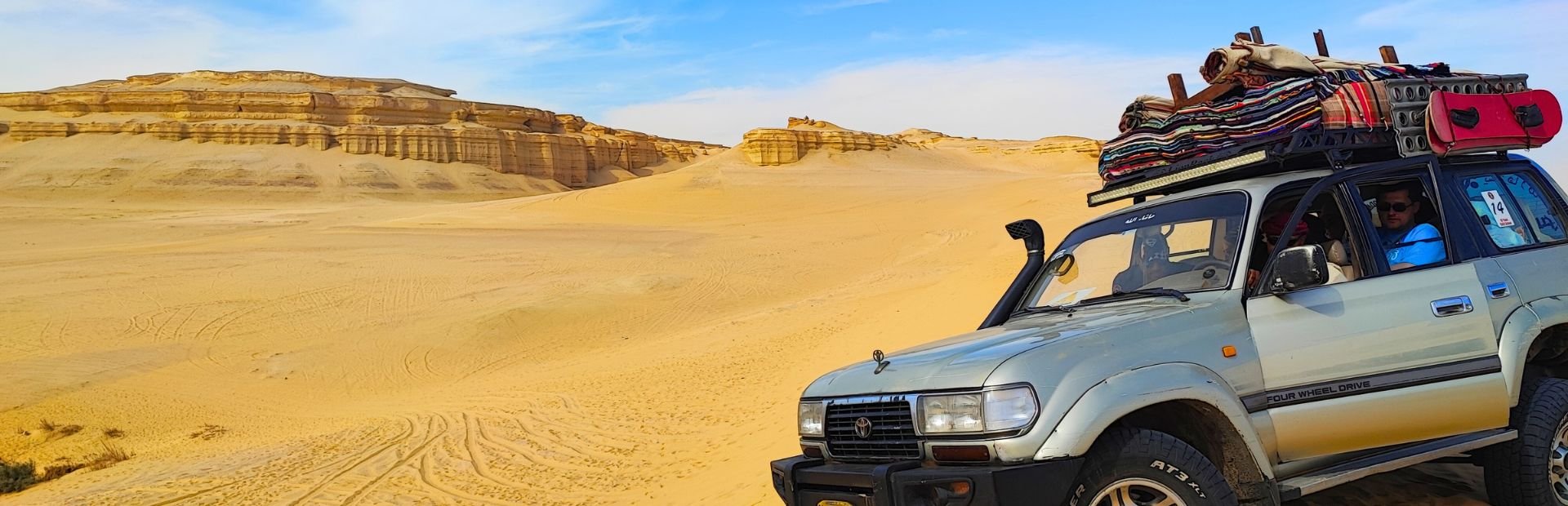
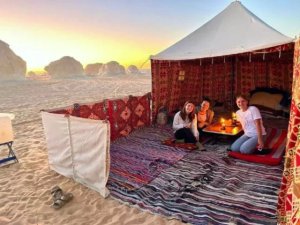
Leave civilisation behind and head out into the desert beyond Cairo, to discover timeless sights and some very unexpected history that makes the pyramids look practically new. Passing through the golden dunes, you can drive to Wadi El-Hitan, otherwise known as the Whale Valley. In prehistoric times, this stretch of arid desert was once the sea, and you can still find ancient bones and fossils of 40-million-year-old archaeoceti, a type of early whale that’s long extinct. Elsewhere the sands hide flocks of flamingos on azure lakes and Bedouin camps, where you can enjoy traditional food and tea around a camp fire before marvelling at the astonishing explosion of stars in the night sky. Then sleep in either a tent or traditional Bedouin hut, experiencing a taste of a way of life that’s endured for thousands of years.
Chill out by the Red Sea
There’s so much to discover during a holiday in Egypt that many travellers find their days packed full – which means a break by the Red Sea is the perfect way to end your stay as you chill out, enjoy the beach and reflect on all the astonishing sights you’ve enjoyed. The coast around Hurghada is one of the easiest options, only around three hours’ drive from Luxor, while the resorts on the Sinai Peninsula, such as Sharm el-Sheikh, normally need a flight or a day’s drive to reach. If you’re looking for somewhere more laid-back than the busier tourist centres, head to relaxed Safaga, around an hour south of Hurghada, where you can snorkel, swim or simply swing in a hammock, as well as booking diving excursions. Our trips include different options of places to stay, with a swimming pool on a private beach.