Places to go in Egypt


From Mediterranean charm in Alexandra via the bustle of Cairo to the key cities of ancient Egypt, you’ll find yourself travelling through time as well as geography as you explore this endlessly fascinating country. Stretching for more than 800 miles from Lower Egypt in the north to Upper Egypt in the south, it’s still possible to see many of the highlights in one trip, basing yourself in a few key locations, perhaps with a Nile cruise to connect them. Not sure where to start? Here’s our pick of the top places to visit in Egypt.
NEED MAP!
Cairo & Giza
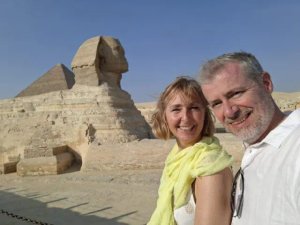
Most holidays in Egypt will at least pass through the capital Cairo, not least to see a couple of the country’s biggest highlights – the pyramids of Giza and the new Grand Egyptian Museum nearby. The only remaining Wonder of the Ancient World, the pyramids easily live up to their iconic reputation, as imposing and mysterious in person as in your imagination. And if the famous statue of the sphinx is perhaps a bit smaller than visitors expect, this ancient site on the edge of Cairo’s sprawling suburbs is unmissable.
To fill in the background, the Grand Egyptian Museum is the largest archaeological museum in the world, a huge 92,000-square-metre building that traces Egyptian history from its earliest prehistoric inhabitants through to the Greco-Roman period. Along with the spectacular Tutankhamun Galleries, housing his gold burial mask and 5,000 more of the pharaoh’s treasures, there are colossal statues of other pharaohs, 12 more major galleries, and the two oldest wooden boats in the world at Khufu’s Boats Museum on the same site.
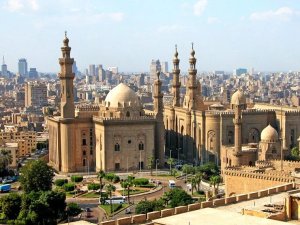
But Cairo is more than ancient Egypt. Discover medieval history at the 12th century citadel, visit Coptic Cairo which has been inhabited since the 6th century BCE and is still home to ancient Christian sites, or browse the 14th century Khan al-Khalili bazaar. Then explore modern Cairo in the elegant Zamalek district, set on an island in the Nile, with two major art museums, boutiques, galleries, the Cairo Opera House, and the city’s best views from the 187m-high Cairo Tower.
Alexandria
Egypt’s second city is a more relaxed alternative to bustling Cairo, a Mediterranean port founded by Alexander the Great that’s been known across the centuries as a city of learning and cosmopolitan culture. Once home to the Pharos lighthouse, one of the Wonders of the Ancient World, it was also the site of the famed library of Alexandria, another marvel of antiquity, and something which helped inspire the 21st century Bibliotheca Alexandrina. This UNESCO World Heritage Site contains six libraries housing millions of books, along with three museums, a planetarium, four art galleries and more tucked within a striking modern exterior.
Home to Cleopatra, Alexandria was later an important Roman city, so there’s Roman history to find here too, from the Catacombs of Kom ash-Shuqqafa, the largest known Roman burial site in Egypt, to the Roman amphitheatre at Kom al-Dik, the country’s only circular Roman theatre. Learn more at the Graeco-Roman Museum, with exhibits covering 1,000 years of the city’s history.
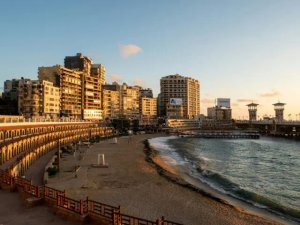
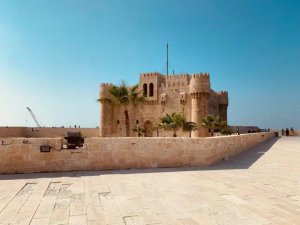
But beyond the sights, one of the best parts of a visit to Alexandria is the chance to wander and soak up the atmosphere. Enjoy fresh fish straight from the sea in the shadow of Fort Qaitbay, or stroll the boulevards by the Mediterranean as horse-drawn carriages pass. Wander past Ottoman-era mosques, the Coptic and Greek Orthodox cathedrals, as well as the Catholic cathedral of St Catherine where you can find the tomb of exiled Italian king Victor Emanuel II, before café-hopping in some venerable spots, such as Café Trianon which has been going for over 100 years.
Luxor
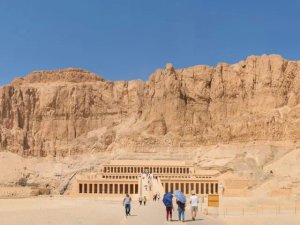
If Cairo is the modern capital, it’s Luxor which was the ancient heart of Egyptian civilisation. Then known as Thebes, it hosted the annual festival of kingship celebrating the pharaohs and is still home to some of the country’s most impressive temples. Often the start or end point of Nile cruises, you’ll find many of the historic gems as you wander the narrow streets of the city that’s been called an ‘open-air museum’.
The 3,400-year-old Luxor Temple is one of the most imposing, with its huge statues of Ramses II and carved scenes from the Battle of Kadesh, which the pharaoh claimed as a great victory. Or wander past the 14 towering columns in the Colonnade of Amenhotep III, all reminders of the power and prestige of the pharaohs. The Avenue of the Sphinxes connects the site with the Temple of Karnak, the largest in Egypt, housing the Temple of Amun which was once the most important religious site in the country.
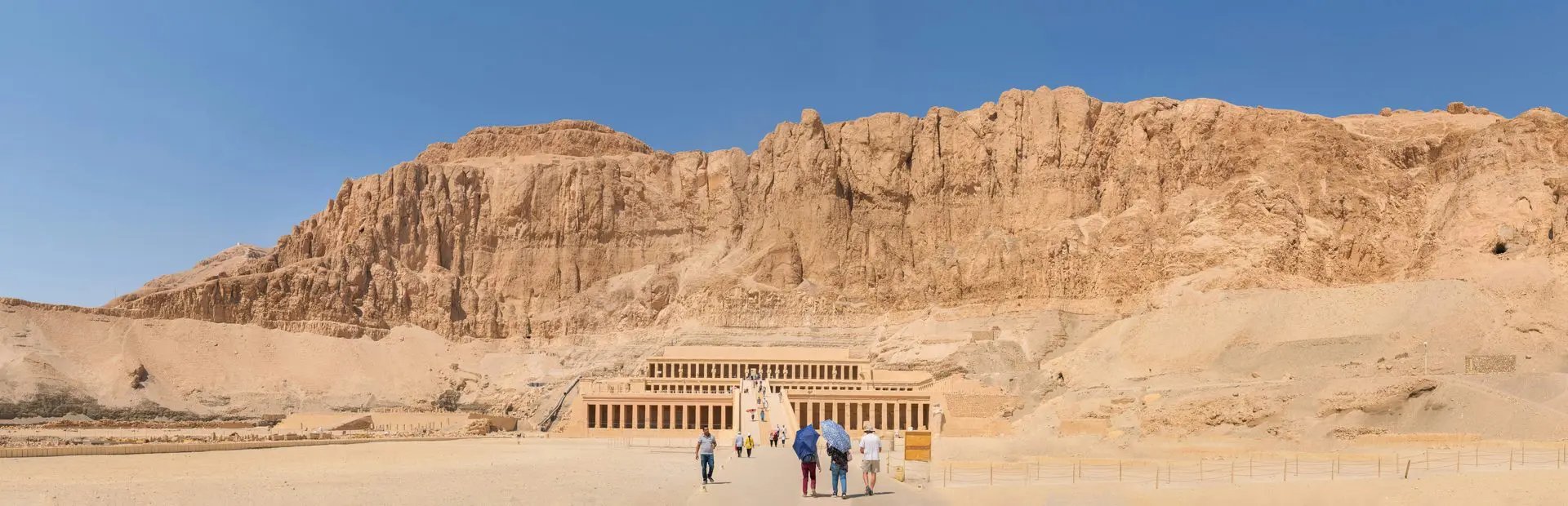
Elsewhere, there’s a taste of everyday life in the Tombs of the Nobles, while Luxor is also the best base to venture to the Valley of the Kings where pharaohs were buried for centuries; more than 60 tombs have been discovered so far, including the famous ‘cursed’ tomb of Tutankhamun.
Abydos
One of the key sites along the Middle Nile, Abydos was the sacred city of Osiris, the god of the afterlife and the dead, and as a result, was one of the most sought-after places to be buried as well as becoming a major pilgrimage centre.
Pharaohs built temples dedicated to the god too, with the temple of Seti I among the most beautiful in the country. Inside, it contains the King List, a recounting of 76 separate pharaohs who ruled before Seti – with a few notable exceptions, who weren’t considered legitimate pharaohs, or were thought to have offended the gods. A necropolis from around 4000BCE until around 600CE, the 5,000-year-old tomb of the pharaoh Djer is among these final resting places, with much still yet to be excavated.
Abydos makes a good base to explore the nearby Dendera temple complex, which includes the Temple of Hathor, the goddess of love, with its well-preserved columns and roof. But it’s also a perfect place to appreciate some of the civilisations which have risen and fallen in Egypt, with huge stone columns later added by Roman emperor Tiberius, and a smaller inner temple added by the later Ptolemaic dynasty.
Aswan
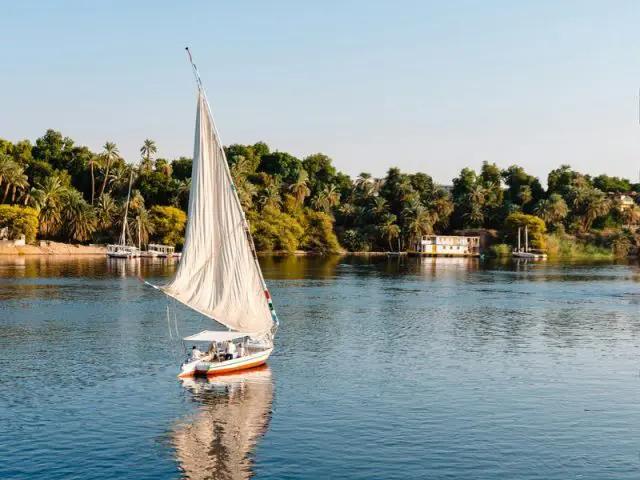
The ancient world meets the modern in Aswan, your base to marvel at the astonishing temple of Abu Simbel and the engineering spectacle of the Aswan Dam. A few hours south of Aswan itself, the temple was created by Ramses II to awe the local Nubian population, with colossal statues of the pharaoh outside – but the much later creation of the dam, resulted in another feat of technology, as the temple had to be moved brick by brick to avoid being flooded by the newly formed Lake Nasser.
Aswan itself provides a perfect opportunity to discover a different side of Egypt, with Nubian culture and traditions still influencing the city today, from the colourful houses on Elephantine Island to the food you’ll try. Learn more at the Nubian Museum, which shares the area’s long history as well as arts, crafts and how it has long been linked with the fates of Egypt. Other Nile islands have their own treasures too, such as the Philae temple dedicated to the goddess Isis, which also had to be moved to a new island thanks to the creation of the Aswan dam, or the botanical garden on Kitchener Island. Stop at the 4,000-year-old Tombs of the Nobles, with six of the decorated tombs open to the public, before learning more about the art of obelisk making at the Unfinished Obelisk.
.webp?w=300&q=85&auto=format)
El Fayoum
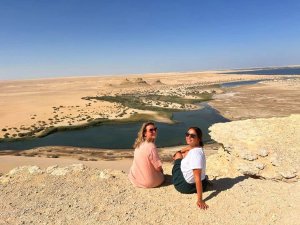
Off the usual beaten tourist track, El Fayoum (or Faiyum) is around 60 miles from Cairo but a world away from the often-hectic capital, with a chance to enjoy desert landscapes, waterfalls and lakes, as well as one of the most unusual ancient sites in the whole of Egypt. As you drive into the arid desert, you’ll spot the greenery of the El Fayoum oasis before passing Qasr El-Sagha, where gold and basalt were quarried long ago; you can still find the remains of an ancient temple housing a series of shrines, one of which is thought to have been dedicated to the crocodile god Sobek. From here, basalt was sent along the world’s oldest-known paved road on its journey to Giza where it was used as building material by those constructing the pyramids.
The desert is home to an even older sight at Wadi El-Hitan, also known as Whale Valley. Once a prehistoric sea, there are still ancient bones and fossils from its days underwater, including fossils from a type of early whale known as archaeoceti which lived around 40 million years ago – a fact which makes even the pharaohs seem modern.
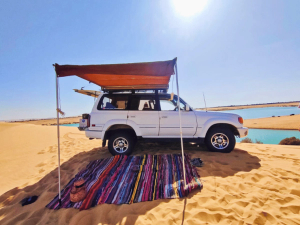
Bedouin camps dot the golden dunes and you can learn more about this traditional way of life before sleeping under the desert stars, or heading to the White Desert where ivory-coloured rocks have been eroded into weirdly wonderful shapes above the white sand. Apart from the Bedouin, you’re unlikely to see another soul here.