Egypt Visa, Passport & Money Advice


When travelling to Egypt it is important to know about visa, passport and money matters. We have compiled the most important, up-to-date information on one page so you don’t need to search for hours, and can be well prepared for your holiday to Egypt.
Do I need a visa for Egypt?
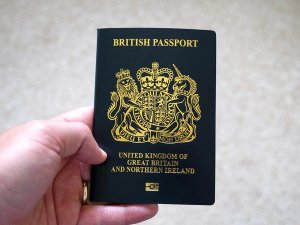
If you’re travelling on a British passport, you’ll usually need a visa to enter Egypt. The easiest way to do this is to buy the visa on arrival. When you travel with us, our local representative will meet you at the airport and help guide you through the visa process, making arrival feel much smoother after a long flight. Visas on arrival are available at all main airports and currently cost around $30USD cash, valid for stays of up to 30 days. While card payments are sometimes accepted, we recommend bringing cash in USD as this is the most reliable option. It is also possible to apply for an e-visa online before travelling, but in our experience the system can be unreliable, so arranging the visa on arrival is the simplest option.
If you are travelling to Sharm El-Sheikh and staying for less than 15 days, then you will not need a visa, however if you plan to travel outside of Sharm El-Sheikh/Dahab/Nuweiba/Taba or want to stay for more than 15 days then you will need a visa.
Your passport should be valid for at least six months from the date you arrive in Egypt and have at least one blank page for stamps. If your passport is due to expire soon, it’s worth checking before booking flights.
Before you travel, we always recommend checking the latest entry requirements as rules can occasionally change.
Update - October 2026:
If you are flying into Cairo International Airport, it is now possible to obtain an e-visa in advance, no more than 7 days in advance, through the Egyptian government website. Please note, if you are arriving into Cairo Sphinx Airport, you will still need to purchase your visa on arrival. Regardless of which airport you fly into, it is still possible to buy a visa on arrival if you would prefer.
Money in Egypt
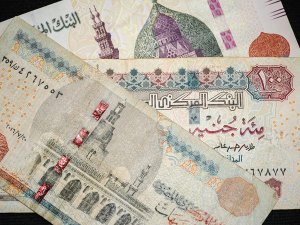
The local currency is the Egyptian Pound (EGP). Egypt is still largely a cash-based country, especially in markets, smaller restaurants and local shops, so it’s a good idea to carry some cash with you. Credit cards are accepted in many larger hotels, restaurants and shops, particularly in cities and beach resorts.
ATMs are easy to find in bigger places like Cairo, Luxor and Aswan, and many hotels have their own too, making it easy to withdraw cash during your trip. We recommend keeping smaller notes handy for drinks, snacks and tips.
Something to note is that many of Egypt’s major archaeological sites, including temples and tombs, now only accept card payments for entrance tickets, so it’s useful to have both cash and a debit or credit card with you.
Tipping in Egypt
Tipping (often called baksheesh) is a normal part of everyday life in Egypt. You may tip guides, drivers, hotel staff or in restaurants for good service. Don’t worry, you won’t need to work it all out yourself. Before your trip, we’ll give you guidance on typical tipping amounts so you know what to expect.
Haggling in Egypt
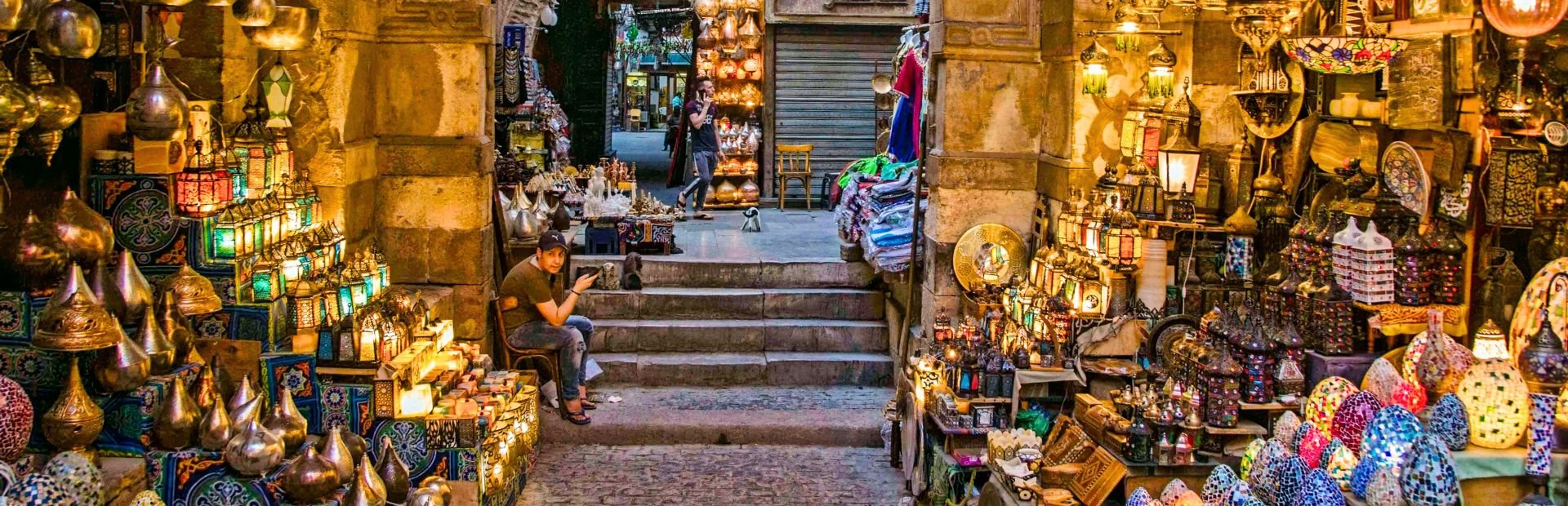
Haggling is part of everyday life in Egypt, especially in the markets and bazaars. In places like Khan El-Khalili(Cairo), prices are often not fixed, so a bit of friendly negotiation is expected. Keep it light-hearted, smile, make a counteroffer and don’t be afraid to walk away if something feels too expensive. Often, the best price is offered quickly. For shops, restaurants and supermarkets, prices are usually fixed. Think of haggling as all part of the experience rather than something to stress about.

A note on local interactions
Egyptians are often incredibly welcoming and curious, but in busy places like markets and around major sights, some sellers and touts can feel quite persistent. Don’t be surprised if people invite you into shops or try to strike up a conversation. A polite but firm “no thank you” is usually enough, and it’s perfectly okay to keep walking if you’re not interested. Try to see it as part of the lively atmosphere – and don’t worry, your guides will always be on hand to help you navigate it.