Egypt Travel Advice


Planning your trip to Egypt? You’re in for a journey packed with ancient history, bustling cities, timeless landscapes and laid-back Nile moments. To help you prepare, we’ve gathered together some practical information and handy tips for travelling in Egypt, from visas and getting around to food, money and what to pack.
Egypt might feel adventurous, but travelling here is easier than many people expect. With the right planning (and our local team on hand), you can focus on the exciting part: standing beneath the pyramids, sailing the Nile and discovering temples thousands of years old.
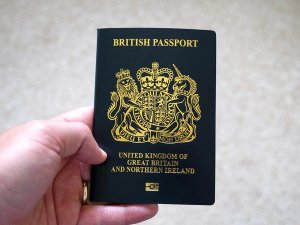
Visa & passport information
When you are travelling anywhere there is always some admin to get on top of. Our team of Egypt specialists have put together some helpful advice on the essentials. Do you need a visa? How long does your passport need to be valid for? What money should you take? Are credit cards widely accepted? Find out more about what you need to know.
Best time to visit Egypt
Egypt is a year-round destination, but the best time for sightseeing is usually between October and April, when temperatures are cooler and more comfortable for exploring.
October to April: ideal for cultural trips, Nile journeys and city sightseeing
May & September: warmer, but often quieter and good value
June to August: very hot in Upper Egypt (especially Luxor and Aswan), but perfect for Red Sea beach time
Winter evenings can feel cooler than expected, especially in the desert or on the Nile, so packing a light jumper is always a good idea. To find out more about travelling to Egypt throughout the year, including weather, temperatures and our month-by-month recommendations, have a look at our best time to visit Egypt guide.
Getting around Egypt
Egypt is larger than many people imagine, so travelling between regions takes a little planning. The good news is there are several easy ways to travel, and we’ll arrange everything for you as part of your trip. Egypt has a good domestic flight network connecting cities like Cairo, Luxor and Aswan, which is often the easiest option if you’re short on time.
For shorter distances, private transfers are often the most comfortable way to travel. Sit back, watch desert landscapes drift past and leave the navigation to someone else. In some places, travelling by train, including the overnight sleeper train, can also be part of the experience. To find out more about travelling around Egypt, including domestic flights, trains and private transfers, take a look at our Egypt transport guide.

Money in Egypt
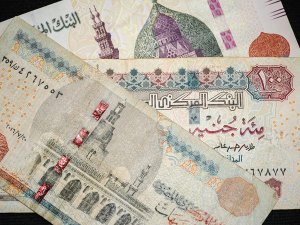
The local currency is the Egyptian Pound (EGP). Cash is still widely used, particularly in markets, smaller restaurants and for tips, though credit cards are accepted in many hotels and larger businesses.
ATMs are easy to find in bigger cities like Cairo, Luxor and Aswan, so there’s no need to carry large amounts of cash. We recommend keeping some smaller notes handy for drinks, snacks and tipping.
Food and drink
Egyptian food is hearty, fresh and full of flavour. Expect grilled meats, fresh salads, dips, warm flatbreads and plenty of vegetarian dishes too.
Try local favourites like koshari (Egypt’s comforting mix of rice, lentils and pasta), falafel, shawarma, mezze and sweet pastries soaked in syrup. In cities like Cairo and Alexandria, street food and food tours are a great way to discover places you’d otherwise walk straight past.
As Egypt is an Islamic country, alcohol is not as widely available as in some destinations and many local restaurants do not serve it. However, many of the hotels we work with, particularly in larger cities and beach resorts, do offer alcohol. If this is important to you, just speak to one of our travel specialists who will be happy to advise on the best options for your trip.
Tap water is not recommended in Egypt, so bottled water is widely available.

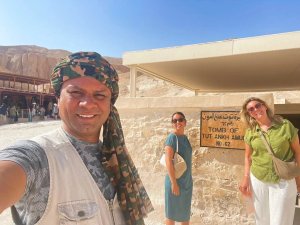
Is Egypt safe to travel?
Egypt is a well-established destination for travellers, and most visits go smoothly. Like anywhere, it’s worth taking normal precautions, particularly in busy cities and markets. We work closely with trusted local partners and guides who know the destination well and are there to help if needed.
You’ll often find Egyptians incredibly welcoming and curious to chat, hospitality is a big part of the culture here.
Travelling responsibly in Egypt
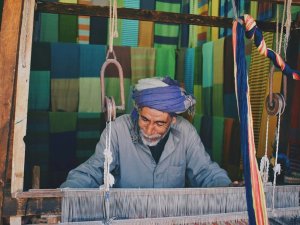
We believe travel should bring benefit to the places you visit. That’s why we try to work with smaller-scale hotels, locally-run experiences and guides who help bring Egypt’s stories to life. From family-run guesthouses to workshops supporting local communities, we look for experiences that help you connect more deeply with the destination and its people.
Our goal? That you return home with more than just photos, but with a genuine feel for Egypt, its people and its incredible contrasts.