South Africa self-drive holidays


Planning your South Africa road-trip
Hitting the road on a self-drive South African adventure has to be one of the best ways to experience the incredible diversity of this fascinating country. From the famous Garden Route along the Cape in the south to the Panorama Route in the north, you’ll cruise from cities to explore majestic mountains, sprawling savannahs, and untouched beaches along the dramatic coastlines.
Driving in South Africa might seem daunting at first, but with our expert tips, pre-programmed GPS, free Wi-Fi, and a spirit of adventure, you’ll be on your way in no time.
A self-drive holiday also gives you the freedom to travel at your own pace and stop wherever you like. While you may encounter potholes, large trucks, and even wildlife crossing the road in front of you, you’ll also have the opportunity to venture off the beaten path and uncover hidden gems far from the usual tourist spots.
Self drive or transfers?
Finding the right transportation is important for each trip – depending on the location, this could be public transport or private transfers. However, in South Africa, most people prefer the freedom of a hire car, which lets you to take your time with your stays, discover more, and also explore more remote locations such as De Hoop Nature Reserve, as well as wildlife spotting from your car window. We’d recommend self-drive in South Africa to anyone who enjoys making the journey between destinations part of the adventure.
Driving here is easier than you might think too — you’re on the same side of the road as in the UK, plus all the road signs are in English, making it simple to get around. And if there are places you’d prefer not to drive, such as the Cape Winelands, you can always park your car up for a day or so and travel around by bike.

Sat Nav/GPS
Apart from the obvious help getting to and from a destination, a sat nav will be your trusty wingman when it comes to seeking out remote restaurant locations, petrol stations, and the ever-useful warnings for ‘dangerous bridge ahead’.
Pre-load your included satnav with all hotel names at the start of your trip and off you go. There are a couple of translations you might need to know as you go, if you hear your satnav talking about ‘the robot’, that’s a traffic light, while a ‘circle’ is less confusingly a roundabout. We do recommend carrying a paper map as a backup for more remote areas as well… just in case!
Roads, signs and petrol
If you’re feeling uncertain about driving abroad, self-drive holidays in South Africa are nowhere near as daunting as you may think. You drive on the same side of the road as the UK, and all the road signs are in English, which makes life much easier. The speed limits are clearly marked and typically 60km/h in towns, 100km/h on secondary roads and 120km/h on highways. Most road signs follow international standards too, with the addition of animal warnings along the way, so there shouldn’t be much to confuse you.
Petrol stations are common in built-up and rural areas but can be harder to come by in remote regions so plan your refuelling as needed. In South Africa, you won’t even have to fill the car yourself as the attendants will do this for you, along with cleaning your windscreen and they might even check your oil or tyres. A small tip of 5-10 ZAR is customary.

Safety
Main roads and highways in South Africa are generally very well-maintained but it is always best to be cautious of potholes and uneven surfaces in more rural or less-travelled areas – a car with a higher clearance is a good idea if you’ll be encountering gravel roads. We do not recommend driving at night, especially in more rural areas, due to poor lighting, animals on the road or other hazards such as pedestrians crossing.
Keeping any bags and valuables out of sight is advisable to prevent thefts, especially in urban areas or when stopped at traffic lights, which is standard practice in many countries. Keep your doors locked and windows closed too. If you do find yourself in a situation where you might be at risk, call police but don’t get out of the car.
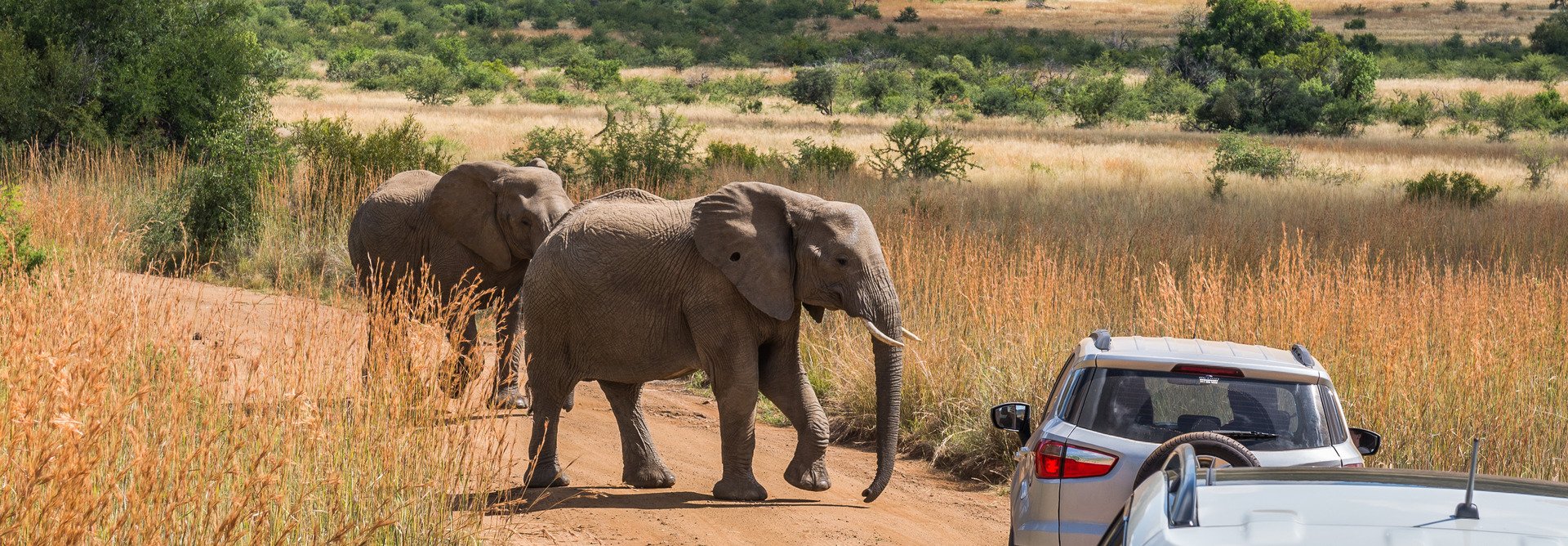
The other main risks to be aware of are the natural ones. It’s not uncommon to see cows at the side of the road for starters, and you may well encounter larger animals, especially if you’re driving through the national parks. Be particularly careful around elephants which can be dangerous if startled or provoked – reverse slowly to a safe distance if you encounter one unexpectedly and stay quiet and calm.
Needless to say, don’t be tempted to get out of the car in the national parks either, even if you can’t see any potentially dangerous wildlife in range; lions tend to ignore vehicles but not people on foot. Only official safari vehicles are allowed to go off-road in the parks, so don’t attempt to try that yourself, even for a close-up sighting.
Self-driving is very common for travellers in South Africa, so routes to popular attractions are well-signposted and easy to navigate, with thousands of tourists safely driving across the country every year. Using some common-sense precautions and staying aware of your surroundings will allow you to have a smooth and enjoyable driving experience in this wonderful country.
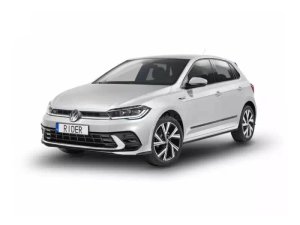
Category B: Volkswagen polo (or similar)
- 2 litre – automatic or manual
- Air-conditioning
- Room for 3/4 medium pieces of luggage
- Maximum 5 people
- WiFi and satnav included
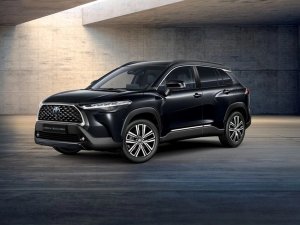
Category C: Toyota Corolla Cross (or similar)
- 3 litre – automatic or manual
- Air-conditioning
- Room for 2x large and 2x small pieces of luggage
- Maximum 5 people
- WiFi and satnav included
Top tips
Parking
We’ve rarely had any problems parking in South Africa, and you can almost always leave the car outside your accommodation. This will usually be free and parking on the streets is usually fairly easy as well.
Allow time
Leave an hour earlier than you need to. South Africa is a beautiful country and as you drive through it, you’ll see many opportunities to stop and admire the scenery. By giving yourself a bit of extra time you’ll be able to appreciate these moments rather than speeding on towards your next destination.

View our favourite road trip spots
Self-drive terms and conditions South Africa
Doing a self-drive holiday in South Africa is the perfect way to explore this diverse destination at your own pace. About 80% of your driving will consist of good, quiet, dual carriageway roads and there are also a number of gravel roads in the more rural areas. Most tourists will drive small 4x4s, which is considered to be the ideal vehicle for these types of roads.
What’s included?
We think it’s very important that you are properly insured to travel and therefore we have chosen to include full insurance as standard with full coverage and no excess. This ‘all in’ insurance is included in our car hire prices, so you don’t need to worry about any hidden extras.
Included:
– Use of the car
– Taxes
– Full insurance
– Loss Damage Waiver
Full insurance includes (unless there is negligence on behalf of the client):
– Mechanic damages
– Robbery
– Car crash (covers the rental car and the other car as well)
– Damages to the car due to natural disasters
What’s not included?
Full insurance does not include:
– Damage or loss of the GPS
– Damage or loss of the emergency kit
– Damage or loss of tires and rims
– Loss or damage of the car keys
– Loss or damage of the license plate and car documents
– Loss or damage of personal valuables inside the car
– Traffic tickets
– Non-authorized drivers
– Not presenting police report in case of robbery or accident
– Not calling the insurance company in case of robbery or accident
– Emergency expenses
Rules and regulations – check before you travel
If you are planning to drive to abroad, you will need to be aware of your responsibilities to follow driving laws in your destination country. We strongly recommend you make your own investigations before travelling. The RAC website provides useful information and tips on driving abroad.
Additional driver policy
Additional drivers are allowed at a cost of 569 ZAR per day. 2 drivers are included in the rate
Age requirements
Minimum 21. No maximum age.
License requirements
Full and Valid Driver’s License from country of origin and international driver’s license. Should your driving license not be resident to the country of origin of your booking, there may be a charge at an appropriate rate for your country of residence. Please note that you must have original driving license. Copies are not accepted.
Refuelling policy
All vehicles are supplied full and must be returned the same or refuelling charges will apply. The amount is the cost of fuel plus 100%.
Roadside assistance
Contact the nearest location within South Africa. In the case of an accident, the customer must complete a police report at the time of the incident.
Information subject to change
All information quoted here on rates, drop-off fees, insurance premiums, and the terms and conditions are subject to change and can be changed by the car hire company or local government without any prior notice. Detailed terms and conditions will be provided on the car rental agreement provided to you when you pick up your car.