Wildlife in Nepal


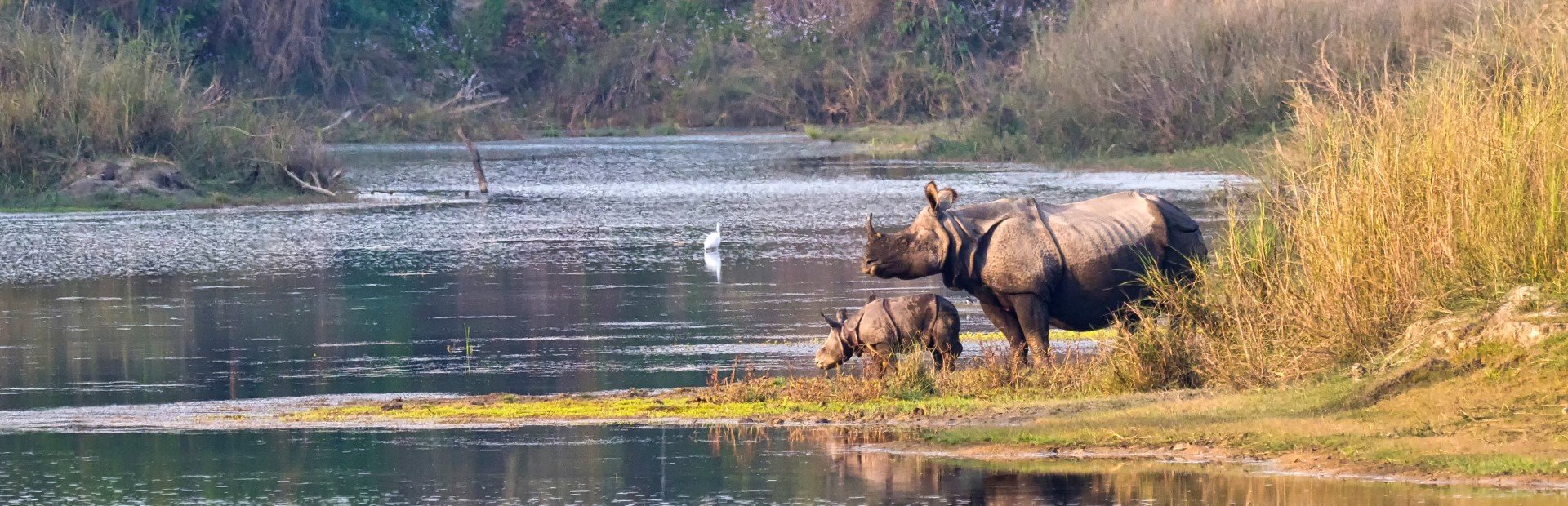
Nepal might be known for its Himalayan peaks, but head south and you’ll find a completely different world. In the lowland jungles of the Terai, misty rivers wind through dense forest, rhinos graze in open grasslands and, if you’re lucky, a tiger slips silently through the trees. There are no staged encounters here – just early mornings, expert local guides and that quiet sense of anticipation as you head into the jungle.
Discover Chitwan National Park
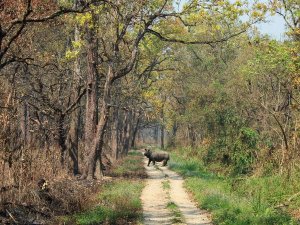
If wildlife is on your Nepal wish list, Chitwan National Park is the place to start. One of Asia’s best spots for seeing the rare one-horned rhino, the park is also home to sloth bears, crocodiles and more than 500 species of birds.
Head out on a sunrise jeep safari, drift quietly along the river in a dugout canoe or explore on foot with a local guide who knows the tracks, sounds and signs of the jungle. Between outings, slow the pace at your jungle lodge or visit nearby Tharu communities and learn more about local life.
This is wildlife the Rickshaw way: small-scale, close to nature and away from the crowds.
Visit Bardia National Park
Further west, Bardia National Park feels more remote and far less visited, which is exactly what makes it special. The jungle is denser, the atmosphere quieter and wildlife encounters feel wonderfully untamed. It’s one of the best places in Nepal to look for Bengal tigers, alongside wild elephants, deer and even freshwater dolphins in the Karnali River.
If you like your wildlife experiences a little more off the beaten track, Bardia delivers. Expect fewer visitors, more time in nature and a real sense of being out in the wild.

What wildlife can you see?
Nepal’s national parks are surprisingly diverse. Depending on where you go and the time of year, you might spot:
One-horned rhinos grazing in tall grass
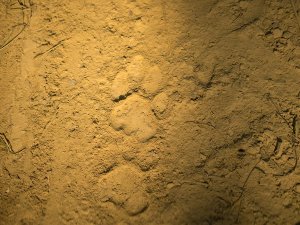
Bengal tigers moving through the shaded trees
Gharial crocodiles sunbathing on riverbanks
Herds of deer, wild elephants and monkeys
Colourful birdlife, from kingfishers to hornbills
Around 16% of Nepal is protected land, helping preserve habitats and support conservation efforts.